Analysis / Capital
What must change for programmable money to become trusted financial infrastructure?
State of Programmable Money — 2026 H1
Programmable money sits between cryptographic infrastructure, settlement, compliance, jurisdiction, and institutional control.
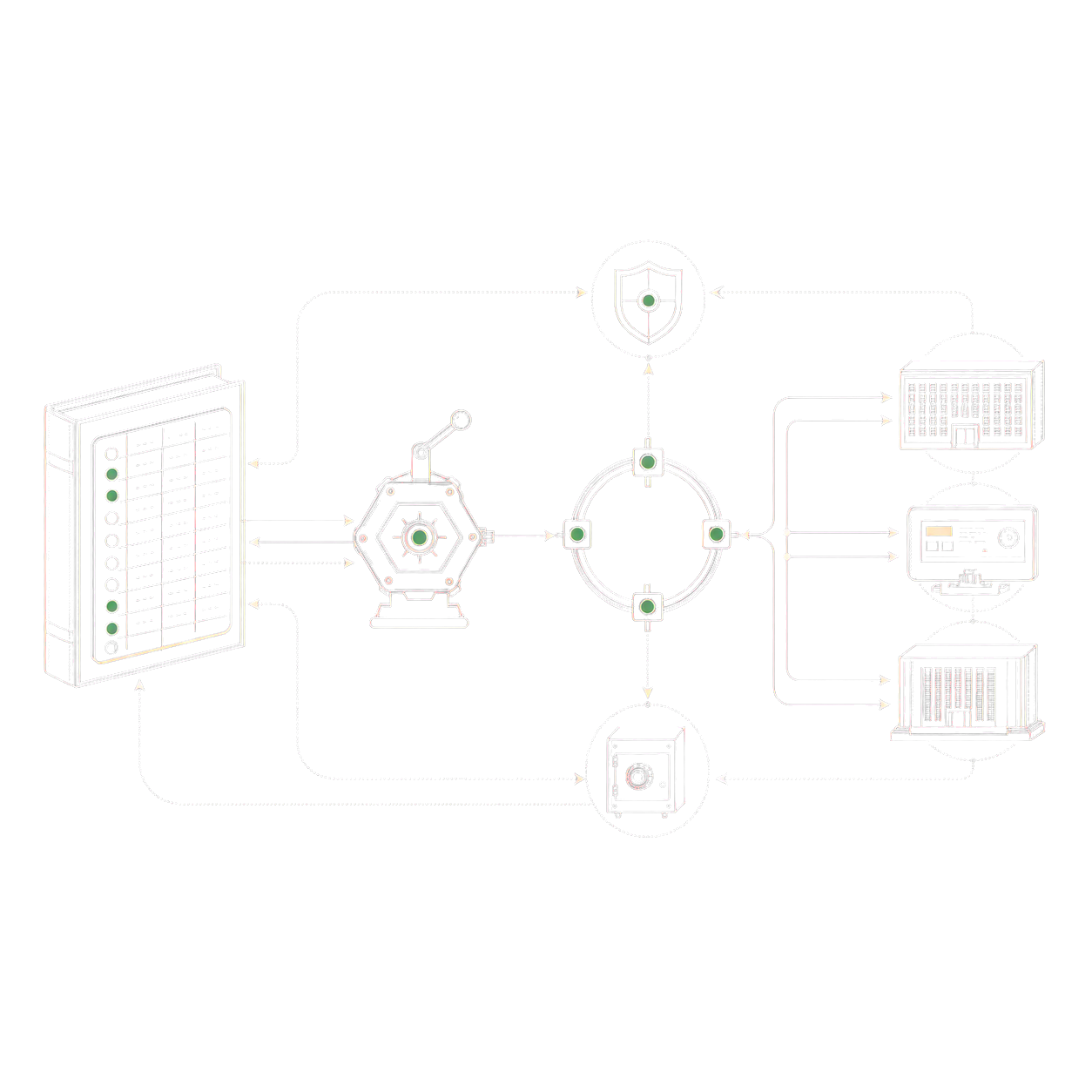
Current state
Programmable money is moving beyond speculation and into the architecture of financial infrastructure. Stablecoins, tokenized deposits, and programmable settlement systems are where value storage, movement, and coordination increasingly converge under institutional constraints.
The relevant question is no longer whether crypto can compete with existing rails, but whether cryptographic rails can become trusted settlement infrastructure for institutions and platforms. Issuance, reserves, liquidity, compliance, jurisdiction, governance, and enforcement now have to work together.
What changed this half
Major networks and issuers shipped institutional-grade settlement and custody integrations, moving pilots from controlled environments to production-like rails with real volumes. Key jurisdictions published stablecoin and tokenized-deposit frameworks, reducing legal ambiguity for institutions and defining reserve, disclosure, and redemption expectations.
Corporate treasury pilots scaled, bank consortia explored tokenized deposits, and payment platforms embedded stablecoins for payouts, collections, and liquidity management. Liquidity deepened across venues, secondary markets for tokenized assets improved, and institutional-grade custody, attestations, and risk frameworks are becoming table stakes.
Constraints
Programmable money cannot scale by engineering alone. Four constraint domains define how far and how fast the system can go, and they interact in ways that amplify risk when one weakens.
Institutional trust
Trust depends on reserves, audits, regulation, and operational resilience. Without it, institutions will not move core flows on-chain.
Protocol legitimacy
Protocol design cannot remove the need for institutional legitimacy. Rules without recognition have no enforceable power.
Jurisdictional conflict
Jurisdictions compete and conflict, shaping where rails can scale, who can access them, and how capital can move.
Security risk
Systemic or smart contract failures remain direct threats to monetary infrastructure. Risk controls must evolve continuously.
Impacts
For institutions
Programmable settlement becomes a real option for treasury, payments, and market operations, but only within trusted jurisdictions and rails that meet risk, compliance, and audit requirements.
For builders
The opportunity shifts from "build a token" to compliance, integration, risk control, liquidity access, and institutional-grade tooling. Differentiation moves to the edges.
For regulators
The challenge is enabling innovation while ensuring financial stability, consumer protection, and enforceable boundaries. Coordination across jurisdictions will be critical.
For issuers
Reserve management, transparency, and redemption reliability become the core competitive moat. Distribution and liquidity partnerships determine reach.
For markets
Liquidity fragments across rails and venues. Cross-rail interoperability and capital efficiency will determine which systems capture durable network effects.
What to watch next
Reserve quality and transparency
Audits, attestations, and real-time reserve visibility will shape whether programmable money can be trusted at institutional scale.
Compliance design that scales
Sanctions screening, KYC, travel-rule implementation, and jurisdictional reporting will determine which systems can move beyond pilots.